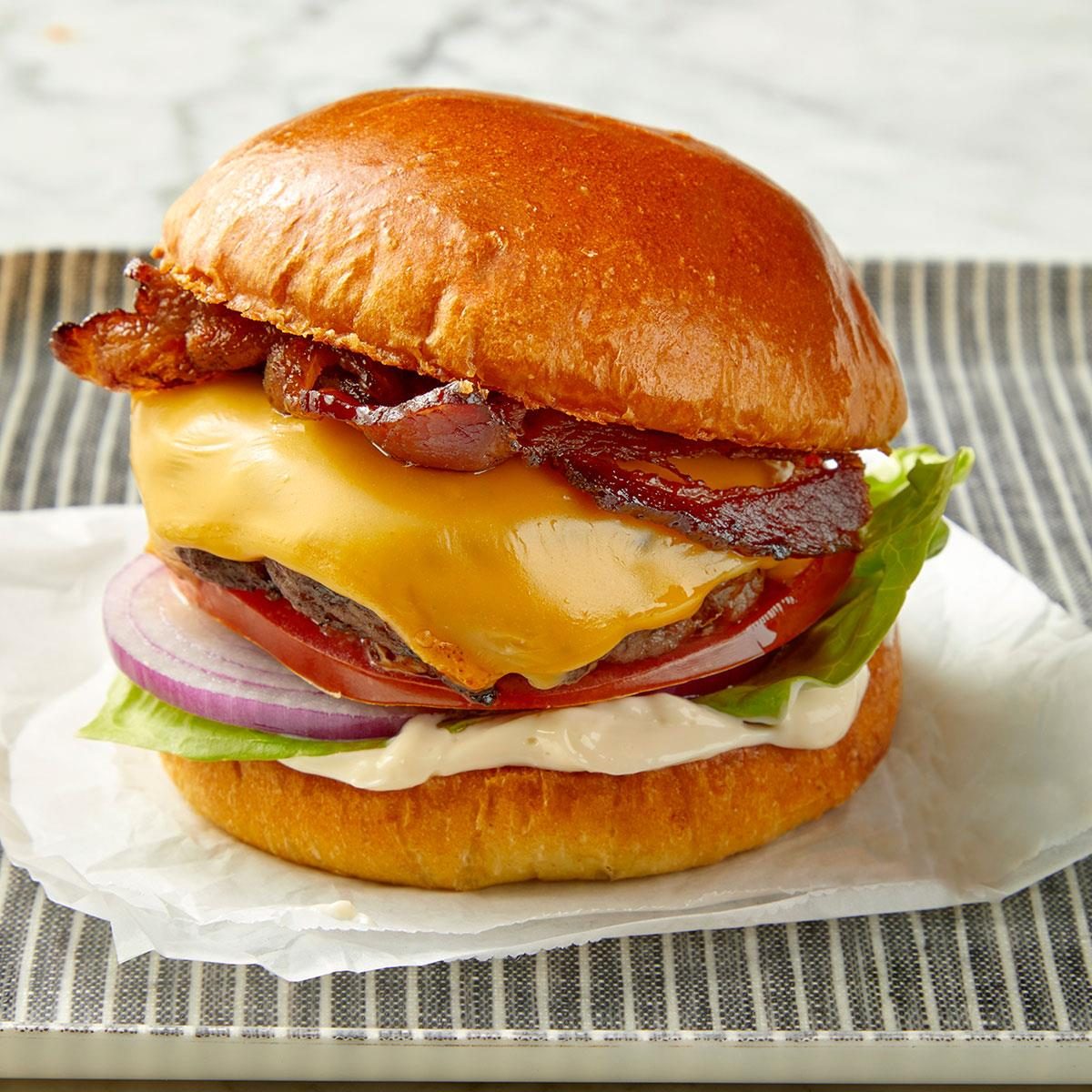
Burgers are a timeless culinary delight, a staple at backyard barbecues, family dinners, and casual gatherings. While grilling offers that smoky char and pan-frying delivers a crisp crust, there's an often-overlooked method that promises consistent juiciness, minimal mess, and a perfectly cooked patty every time: baking them in the oven. Specifically, cooking burgers at a steady 400°F (200°C) transforms the humble patty into a culinary masterpiece, freeing you from constant flipping and greasy stovetops. If you've ever wondered how to cook burgers in the oven for superb results, you're in the right place.
This comprehensive guide will walk you through the simple steps to achieve perfect, juicy oven-baked burgers. Say goodbye to guesswork and hello to a hands-off, hassle-free way to enjoy your favorite comfort food. We'll cover everything from selecting the ideal ground beef to essential tools, precise cooking temperatures, and insider tips that guarantee deliciousness.
Why Oven-Baking is Your New Favorite Burger Method
The allure of oven-baked burgers extends far beyond mere convenience. It’s a method that prioritizes consistency and ease without compromising on flavor or texture. Here’s why cooking burgers in the oven at 400°F is a game-changer:
- Hands-Off Cooking: Unlike grilling or pan-frying, which demand constant attention, oven-baking allows you to set it and forget it (within reason!). This frees up your time to prepare sides, set the table, or simply relax.
- Minimal Mess: One of the biggest advantages is the dramatic reduction in grease splatter. By cooking on a baking sheet, all the drippings are contained, keeping your stovetop, counters, and floor pristine. No more scrubbing greasy surfaces after dinner!
- Even Cooking & Consistent Juiciness: The circulating hot air in your oven ensures that heat surrounds the patties from all sides, promoting incredibly even cooking. This steady, consistent heat at 400°F helps the fat render slowly, keeping the meat moist and resulting in a consistently juicy burger every single time.
- Feeds a Crowd Effortlessly: Need to make burgers for a large family or a gathering? The oven is your best friend. You can bake multiple patties simultaneously on one or more baking sheets, making it an incredibly efficient method for feeding many without needing multiple pans or grill batches. This is especially true if you're looking for Oven Burgers: No More Stovetop Mess, Perfect for Feeding a Crowd.
- Year-Round Enjoyment: Rain, snow, or extreme heat won't stop your burger cravings. Oven-baking means delicious burgers are always in season, no matter the weather outside.
The Foundation: Choosing the Right Meat and Essential Tools
The secret to a great burger starts long before it hits the oven. High-quality ingredients and the right equipment are paramount.
Picking the Perfect Ground Beef
The star of any burger is, of course, the ground beef. For optimal flavor and juiciness, a blend with a good fat content is crucial. We highly recommend:
- 80/20 Ground Chuck: This blend, consisting of 80% lean meat and 20% fat, is widely considered the gold standard for burgers. The fat renders beautifully in the oven at 400°F, infusing the patty with moisture and flavor. Leaner blends like 90/10 can be used, but they tend to produce drier burgers unless extra moisture is added.
- Freshness Matters: Opt for fresh ground beef from a reputable butcher or a trusted brand. Look for vibrant red meat with no graying spots and avoid packages with excessive liquid.
- Homemade vs. Pre-formed: While pre-formed patties offer ultimate convenience, shaping your own gives you control over thickness and density. If making your own, ensure they are uniform in size for even cooking.
Essential Tools for Oven Burger Success
You don't need a gourmet kitchen to bake fantastic burgers. A few basic tools will make the process smooth and successful:
- Baking Sheet with Raised Edges: This is fundamental for catching all the delicious beef drippings and preventing them from spilling into your oven.
- Aluminum Foil: Line your baking sheet with heavy-duty foil for effortless cleanup. It’s a game-changer!
- Wire Rack: Positioned over the foil-lined baking sheet, a wire rack is a non-negotiable component. It elevates the patties, allowing hot air to circulate completely around them. This prevents the bottoms from becoming soggy and ensures a beautifully cooked burger throughout.
- Tongs: Essential for safely handling hot patties.
- Meat Thermometer: The most crucial tool for ensuring food safety and achieving your desired level of doneness. An instant-read thermometer is best.
Crafting the Perfect Patty: Tips for Success
If you're making your own patties, a little technique goes a long way:
- Gentle Handling: Avoid overworking the meat, as this can lead to tough burgers. Mix seasonings lightly.
- Uniform Thickness: Aim for patties about ¾-inch to 1-inch thick and consistent in size (typically 4-6 ounces each). This ensures they cook evenly.
- The Thumbprint Trick: Press a shallow indentation (about ½-inch deep) into the center of each patty with your thumb. This helps prevent the burger from bulging in the middle as it cooks, keeping its shape flat and even.
- Season Liberally: Don't be shy with salt and freshly ground black pepper on both sides right before baking. Consider adding garlic powder, onion powder, or a dash of Worcestershire sauce to the meat mixture for extra depth of flavor.
Mastering the 400°F Oven Burger: Step-by-Step Guide
Ready to learn how to cook burgers in the oven for perfectly juicy results? Follow these simple steps:
- Preheat Your Oven to 400°F (200°C): This is the sweet spot for baking burgers. Allow at least 10-15 minutes for the oven to fully preheat and stabilize at this temperature. A hot oven is key to achieving a good sear and juicy interior.
- Prepare Your Baking Sheet: Line your baking sheet with aluminum foil. Place a wire rack directly on top of the foil. This setup is critical for catching drippings and promoting air circulation around the patties.
- Arrange the Patties: Place your prepared burger patties on the wire rack, ensuring they are not touching. Leave a little space between each for optimal airflow.
- Bake at 400°F: Transfer the baking sheet to the preheated oven.
- For ¾-inch thick patties, bake for approximately 15-20 minutes.
- For 1-inch thick patties, bake for approximately 20-25 minutes.
The exact cooking time will depend on your oven and desired doneness. There's generally no need to flip the burgers when baking at this temperature on a wire rack.
- Check for Doneness: This is where your meat thermometer comes in handy. Insert the thermometer into the thickest part of the patty, avoiding any bone or fat pockets.
- Medium-Rare: 130-135°F (54-57°C)
- Medium: 135-140°F (57-60°C) - This is often the sweet spot for juiciness!
- Medium-Well: 140-150°F (60-66°C)
- Well-Done: 160°F (71°C) - The USDA recommended minimum safe internal temperature for ground beef.
- Add Cheese (Optional): If you want to melt cheese onto your burgers, do so during the last 2-3 minutes of baking. Simply place a slice of your favorite cheese on top of each patty and return to the oven until melted and gooey.
- Rest the Burgers: Once cooked to your desired doneness, remove the baking sheet from the oven. Using tongs, transfer the burgers to a clean plate or cutting board. Crucially, let them rest for 5 minutes before serving. This allows the juices to redistribute throughout the patty, ensuring maximum tenderness and flavor. Skipping this step can result in drier burgers.
Pro Tips for Extra Flavor and Juiciness
- Toasted Buns: While the burgers are resting, quickly toast your burger buns under the broiler for 1-2 minutes or in a toaster. A perfectly toasted bun complements a juicy burger beautifully.
- Broil for a Char: If you miss that grilled char, you can transfer the burgers (after resting) to a hot broiler for 1-2 minutes per side. Keep a close eye on them to prevent burning.
- Butter Up: Consider lightly buttering your buns before toasting for an extra layer of richness.
- Get Creative with Seasoning: Don't limit yourself to just salt and pepper. Experiment with smoked paprika, chili powder, a pinch of cumin, or your favorite steak seasoning blend.
Elevate Your Oven Burger Experience: Beyond the Basics
Now that you've mastered how to cook burgers in the oven to perfection, it's time to build your ultimate burger. The possibilities for customization are endless.
Serving Suggestions and Topping Ideas
The perfect burger isn't just about the patty; it's also about what you put on and with it!
- Classic Toppings: Lettuce, tomato, onion (red or white), pickles, ketchup, mustard, mayonnaise.
- Cheese Varieties: American, cheddar, Swiss, provolone, pepper jack, blue cheese crumbles, or even a creamy brie.
- Gourmet Additions: Caramelized onions, sautéed mushrooms, crispy bacon, avocado slices, fried eggs, pickled jalapeños, or a dollop of your favorite relish or chutney.
- Sauces: Beyond the classics, try BBQ sauce, a spicy aioli, ranch dressing, or a homemade burger sauce.
- Sides: Oven-baked fries, sweet potato fries, a fresh green salad, coleslaw, or onion rings make excellent companions.
Troubleshooting Common Oven Burger Issues
- Burgers too dry? You might be using too lean of meat, overcooking them, or not letting them rest. Stick to 80/20, use a thermometer, and always rest the patties.
- Burgers not getting a nice crust? Ensure your oven is fully preheated to 400°F. If you crave more char, consider a quick broil at the very end.
- Not cooking evenly? Make sure your patties are of uniform thickness, and don't overcrowd the baking sheet. The wire rack is crucial for even heat distribution.
For an even deeper dive into achieving incredibly juicy oven burgers with minimal effort, explore our guide on How to Cook Juicy Oven Burgers: The Ultimate Hands-Off Guide.
Conclusion
Baking burgers in the oven at 400°F is a culinary revelation, offering a level of convenience, consistency, and juiciness that's hard to beat. This hands-off method frees you from the stovetop mess and constant attention, allowing you to produce perfectly cooked patties ideal for any occasion. By following these simple steps—from selecting the right ground beef and using essential tools like a wire rack and meat thermometer, to understanding precise cooking times and temperatures—you’ll confidently create delicious, crowd-pleasing burgers every time. So, next time you're craving a satisfying burger, bypass the grill and the frying pan, and let your oven do the work. You'll be amazed at the consistent, juicy results!
